Home Blog Page 14

Cosmovisión purépecha: las mariposas blancas que anuncian el regreso de las ánimas

La cosmovisión de los purépecha nos enseña que la muerte no es un final, sino un reencuentro con los que ya no viven. Según esta tradición, las ofrendas no son un festejo de las ánimas, sino un puente que permite que los espíritus regresen cerca de sus familias. Esta visión sobre la vida y la muerte se refleja de manera simbólica en fenómenos de la naturaleza, como las mariposas blancas que aparecen en octubre y comienzos de noviembre.

Recuerdo que en mi bello pueblo de Turícuaro, mis abuelitos me decían, en tiempos de flores amarillas y hojas secas, cuando las heladas ya se sentían en octubre:

“Mira, hijo, en estas fechas, a mediados de octubre y a finales del mes, vas a empezar a ver muchas mariposas blancas que no verás en ningún otro tiempo, solo en este mes de octubre e iniciando noviembre.

¿Sabes? Esas mariposas son las ánimas que regresan del más allá para visitarnos cerca del Día de Muertos. Regresan en forma de mariposa, y en color blanco, que representa el espíritu y el alma de los que ya murieron.

Nunca debes matar una mariposa, porque si la matas ya no podrá regresar al lugar de donde vino, donde pertenece; se quedará aquí, en este mundo. Ten cuidado, porque son las ánimas de los que ya se fueron.”

La cosmovisión de los purépecha

El Palacio de las Catrinas; una experiencia visual llena de color y diseño colosal.

Rosa del Carmen Gutiérrez/Descubre Michoacán. Este año, el Palacio Municipal de la ciudad de Morelia Michoacán, ha decidido unirse de manera especial a la celebración de la noche de muertos con una experiencia cultural y al mismo tiempo sensorial llamada “El Palacio de las Catrinas”. Donde se llevarán a cabo distintas, exposiciones, desfiles de catrina, talleres, degustaciones y actividades relacionadas a la tradición del día de muertos, para que los visitantes puedan experimentar la cultura del estado haciendo honor al legendario personaje de la Catrina que es tan representativa de estas celebraciones.

palacio de justicia en Morelia en día de muertos

Durante 7 días que comenzaron el 27 de octubre y culminan el 2 de noviembre, cualquiera podrá visitar el Palacio municipal en Allende 403 centro de la ciudad; para poder ser parte de alguno de los eventos programados que podrás consultar en la página de Instagram de la secretaria de turismo: @turismomorelia.mx.

La catrina es un personaje creado por el artista José Guadalupe Posada en el año de 1913, que aparece por primera vez en un periódico que publicaba artículos haciendo una sátira y crítica social a la clase privilegiada de aquel entonces.

palacio de justicia en Morelia en día de muertos

La calavera catrina representaba a personas de ascendencia indígena que pretendían ser o verse como europeos, cuando en realidad se estaban muriendo de hambre y se dedicaban a vender garbanzos, por lo cual se le llamó primero la Calavera Garbancera, que hacía referencia a un catrín que vestía elegante pero que estaba en los huesos.

Con los años se fue popularizando hasta llegar a ser un personaje representativo de la noche de muertos. Y el Palacio Municipal queriendo hacer honor a este personaje tan icónico para todos los mexicanos y ahora ya en el extranjero también; engalana sus instalaciones con el tema de las Catrinas de una manera creativa, llena de arte y diseño.

Date la oportunidad de visitar el Palacio de las Catrinas, te sorprenderá el empeño que se le ha puesto a la decoración. No te arrepentirás de ir a tomarte una foto para Instagram.

palacio de justicia en Morelia en día de muertos

Day of the Dead in Pátzcuaro, Michoacán: Complete Guide and Recommendations

Day of the Dead in Pátzcuaro, Michoacán is one of the most original and authentic celebrations in the world. With endless colors, exquisite aromas, and an inexplicable mystical aura, cemeteries prepare to welcome both the living and the dead. Families clean and decorate the tombs with marigolds, candles, and copal, carefully placing the traditional offering on the altar of their deceased loved ones.

Our Experience

Below, we share the places we have visited over the years. This allows us to give a real and honest opinion based on our experience at each of these sites in Michoacán.

Tzurumútaro Cemetery

Recommended

If you travel from Morelia via the road to Pátzcuaro, Tzurumútaro Cemetery is the first stop before entering the lake area. This cemetery welcomes hundreds of visitors with vibrant colors. The number of lit candles and the burning of copal make the Day of the Dead in Pátzcuaro truly unique.

Parking and Access:

Being located along the main road, the area is spacious, so free parking is easy to find. Walking access is comfortable and simple.

Places to Eat:
Next to the cemetery is Gran Tariacuri – Carnitas Carmelo restaurant. A bit further away: Restaurant Campestre Don Prisci.

 Tzurumutaro day of the dead
 Tzurumutaro day of the dead
dia de muertos

Tzintzuntzan Cemetery

Recommended

Here, the magic of the Night of the Dead overflows. The altars are truly beautiful, and families go all out to honor the deceased and impress tourists. Locals invest a lot of time and resources in beautifying the tombs. If you want to marvel at altar designs and the variety of offerings, this is the place to be. There are two cemeteries here; originally, it may have been a single area divided by the current road.

Note:

Access can become difficult at night due to heavy traffic. It is recommended to arrive via the Quiroga–Tzintzuntzan road.

Parking:

Free spots are limited and usually occupied; paid parking starts at 80 MXN per night with no time limit.

Places to Eat:

There are several pizzerias, small restaurants, and street stalls in the area.

Suggestion:

If you visit during the day, check out the Ex Convento de Santa Ana.

 day of the dead Tzintzuntzan
day of the dead Tzintzuntzan

Pacanda Island

The second most visited island after Janitzio. Pacanda hosts an interesting festival of traditional dances that lasts until 3 a.m. The ceremony here is very different from other sites, making it a good option to visit.

Important:

If your plan is to only visit the cemetery, note that before 3 a.m., you probably won’t see much. At the end of the festival, locals walk in procession with lit candles to the cemetery, which is when the full experience begins. You can enter earlier, but activity will be minimal.

How to Get There:

To reach Pacanda or Yunuén, head to one of the alternative docks or ask for Ucazanaztacua Dock. Most routes go Yunuén → Pacanda → Janitzio.

Places to Eat:

Two or three makeshift food stalls near wood fires offer quesadillas and corn esquites, creating an authentic and traditional atmosphere.

 day of the dead island pacanda
Pacanda island

Yunuén Island

The quietest and least crowded island during the Night of Souls. Over the years, locals have opened up to tourism and are now better prepared to receive visitors. Here you’ll find a small, simple cemetery with a few decorated tombs.

Yunuen Island

Cucuchucho Cemetery

Recommended

This area is home to artisans specializing in chuspata (also known as tule). Cucuchucho Cemetery, over time, has become one of the favorite sites for tourists.

The place captivates with its mystical atmosphere. Community members prepare beautiful altars with offerings in baskets with embroidered napkins, gathering around a small bonfire to welcome the deceased and share family time.

Recommendation:

Visit at night, not earlier.

Parking:
The cemetery is along the road; finding a spot is relatively easy, though access can get congested at the main entrance.

Places to Eat:
Few options on-site, but nearby families set up traditional Mexican snacks such as quesadillas, sopes, atole, and coffee for visitors. Sanitary facilities are also available.

Cucuchucho cementery Day of the Dead

Arócutin Cemetery

Our Favorite
Possibly one of the simplest yet most interesting cemeteries. Graves are mounds of earth at the foot of the Santa María Natividad temple, whose bells ring throughout the celebration.

Recommendation:

The site is not well signposted, and the area is very dark.

Parking:
Streets are narrow with steep slopes, but finding free parking is relatively easy.

Arócutin Day of the dead

Janitzio Island

The must-visit destination for tourists. Boarding a somewhat rickety boat and crossing the foggy lake at night to reach the island is a unique experience. Simple tombs are arranged in steps leading to a small chapel with a generous altar. Sunrise photos with the lake in the background are incredible.

Places to Eat:
Several small traditional family restaurants offer a variety of dishes, mainly seafood and fish: trout, breaded fillets, and other local specialties.

Janitzio on Day of the Dead

Santa Fe de la Laguna

A special place that preserves its identity and style. It inspired Disney’s Coco. This is where María Salud Ramírez, better known as “Mamá Coco,” lived until her passing on October 16, 2022.

Places to Eat:
The town is quite populated; around the main square, you’ll find a little of everything.

Santa Fe de la Laguna Day of the Dead

Ihuatzio Cemetery

A discreet and quiet cemetery, perhaps not very striking, though the main entrance is usually beautiful.

Parking:
Limited street parking near the cemetery, narrow streets.

Places to Eat:
A few small traditional restaurants near the cemetery entrance.

huatzio Day of the Dead Michoacán

Puácuaro Cemetery

Recommended


Although small and simple, it looks spectacular at night. Views from outside are beautiful, surrounded by a wall. Tombs are decorated with candles, marigolds, bread, pumpkin, mole, rice, favorite drinks, and baskets with embroidered napkins.

Note:
The place is still little-visited by tourists, ideal for those seeking quieter locations.

Parking:
The street leading to the cemetery is closed to traffic.

Cementery Nigth of the dead in Michoacan

Purenchécuaro Cemetery

Ideal for adventurous visitors who already know other cemeteries. The San Gerónimo Purenchécuaro Cemetery is well-maintained with an elegant entrance and a chapel at the back. The celebration here is more modern and simple.

Parking:
No issues.

Places to Eat:
Street stalls, many options.

San Andrés Tziróndaro

Not Recommended
On our visit (November 1st), after other destinations, we found the cemetery closed. The area is very dark with no lighting.

Cementery Nigth of the dead in Michoacan

Morelia

Finally, the pink stone capital offers many ways to enjoy this tradition. The historic center dresses up for the occasion. The altar competition on the Calzada is highly recommended.

Day of the Dead Activities in Mexico: Tradition, Culture, and Color

The Day of the Dead in Mexico is one of the country’s most iconic and meaningful celebrations. Day of the Dead activities are experienced with intensity in regions such as Michoacán, Mexico City (CDMX), Oaxaca, Guanajuato, and some areas of Campeche, where rituals, altars, parades, fairs, and family gatherings honor the memory of the deceased with joy and mixed emotions.

Michoacán


Around Lake Pátzcuaro, communities such as Tzintzuntzan, Janitzio, and Ihuatzio celebrate the Day of the Dead by gathering around tombs, surrounded by candles, marigold flowers, music, and offerings of the deceased’s favorite foods. The celebration is a moment of remembrance, closeness, joy, and nostalgia, where the sadness of losing a loved one blends with the vibrant celebration of the night of the spirits.

In Morelia, starting around October 20th, the city transforms: every corner is decorated, Catrina parades are held, altar competitions take place, and the iconic Fray Antonio de San Miguel avenue becomes a focal point of Day of the Dead activities.

A few kilometers away, in Capula, the Catrina Fair turns clay into local crafts, delicate figures representing the festivities. This fair not only showcases the artisans’ creativity but also connects with the essence of Day of the Dead activities: honoring the deceased with art, culture, and devotion. Together, these experiences make Michoacán the most authentic and emblematic epicenter of the celebration in Mexico.

 Arócutin Day of the dead

Guanajuato


In Guanajuato, Day of the Dead activities focus mainly on tourism and urban decoration. The city fills with decorations related to the Night of the Dead, public altars, offerings in plazas and alleyways, as well as cultural events and tours for visitors who want to enjoy the festive and colorful atmosphere of the season. Although these are not cemetery rituals, the city offers an attractive experience combining tradition and tourism during this period.

Mexico City Mixquic


In San Andrés Mixquic, Tláhuac borough, Day of the Dead activities take place in the cemetery illuminated by thousands of candles, known as the Alumbrada. Additionally, the capital has incorporated modern expressions: the Catrina Parade, the Monumental Offering at the Zócalo, and performances such as La Llorona in Xochimilco, attracting thousands of visitors.

Campeche: Pomuch


In the town of Pomuch, the activities stand out for a unique and striking ritual: families remove bones from tombs to clean them and place them in wooden boxes with hand-embroidered cloths—a true act of respect, care, and love for those who have passed away.

Oaxaca


In Oaxaca, the streets fill with parades, music, and costumes that move through the neighborhoods. Families set up altars inside and outside their homes, sharing the celebration with neighbors and visitors. The combination of music, food, and rituals makes this region stand out for its color and warmth.

 Day of the dead

Other expressions in Mexico

Bread of the Dead fairs and gastronomic festivals in various cities.

The UNAM mega-offering and cultural exhibitions in museums and public plazas in CDMX.

Conclusion


Day of the Dead activities are not the same throughout Mexico. In some regions, they are intimate and family-oriented, while in others, they become open and community celebrations. In all cases, the essence is the same: remembering the deceased with love, respect, joy, and mixed emotions, honoring their memory while celebrating life.

Day of the Dead Activities
Discover the main Day of the Dead activities in Mexico: festivals, parades, offerings, and traditions that fill the country with color.

 cempasúchil Day of the dead

Janitzio on Day of the Dead: Is It Worth Visiting?

Janitzio is the destination every visitor dreams of during the Day of the Dead celebration on the night of November 1st. Simply boarding a small boat and navigating through the mist of Lake Pátzcuaro at night has a special charm that attracts thousands of curious travelers. All this effort leads to a small cemetery, where widows vigilantly watch over their deceased in complete silence, wrapped in blankets and surrounded by candles during the cold early morning hours. This experience is undoubtedly one of the most anticipated moments on Janitzio Island during the Day of the Dead.

Janitzio on Day of the Dead

The Cemetery

The modest tombs, arranged in a stepped layout, lead to a chapel that shelters a colorful and generous offering. At dawn, the contrast between the lake and the soft glow of the candles creates images that seem straight out of a movie. Janitzio is considered the most iconic island in the entire lake region; its original name, “Janitsio,” comes from the Purépecha language and means “corn flower” or “corn silk.”

Janitzio on Day of the Dead

Things to Keep in Mind

Although the place is magical, there are some aspects to consider: the crowds are often so large that boats get full, and walking through the small, narrow cemetery can become challenging. Some visitors bring alcoholic beverages, which occasionally leads to uncomfortable situations. Additionally, there are no easily accessible restrooms or nearby medical services.

The journey to and from the island can take over an hour, not counting waits of up to two hours or more before departure. Therefore, if you plan to visit multiple sites on the same day, it may be better to prioritize other towns. If you decide to experience this event, it’s ideal to arrive at the main dock before dusk or during the day to avoid long lines.

How to Get There

Head to the main dock in Pátzcuaro or to other alternative piers to depart faster.
In the area, some boat owners offer private trips to the island at negotiable prices.

Day of the Dead Celebration

The Day of the Dead celebration in Michoacán is one of the most famous in the world, attracting thousands of national and international tourists. It is a unique event where death is honored in a very special way. Cemeteries are magically illuminated; families clean and decorate the tombs, presenting foods that their deceased loved ones enjoyed in life as offerings.

The celebration is intense but solemn. Families gather around the graves to spend the entire night together. It’s a festival full of color, scents, and an unforgettable atmosphere. Visiting Janitzio Island on the night of November 1st during Day of the Dead is an experience that combines excitement, tradition, and mystery.

Janitzio on Day of the Dead: Is It Really Worth Traveling to the Island, or Are There Better Places to Visit?

Janitzio on Day of the Dead
Panteón de la Isla

Cuanajo presenta su programa de celebración de Noche de Muertos

Cuanajo presenta su programa de celebración de Noche de Muertos, el cual se llevará a cabo del 31 de octubre al 2 de noviembre. Durante estos días, la comunidad ofrecerá una experiencia llena de tradición con la espera de las almas de los angelitos, un extenso corredor gastronómico y artesanal, y la esperada inauguración del caballo monumental en la plaza principal, informó la Secretaría de Turismo de Michoacán (Sectur).

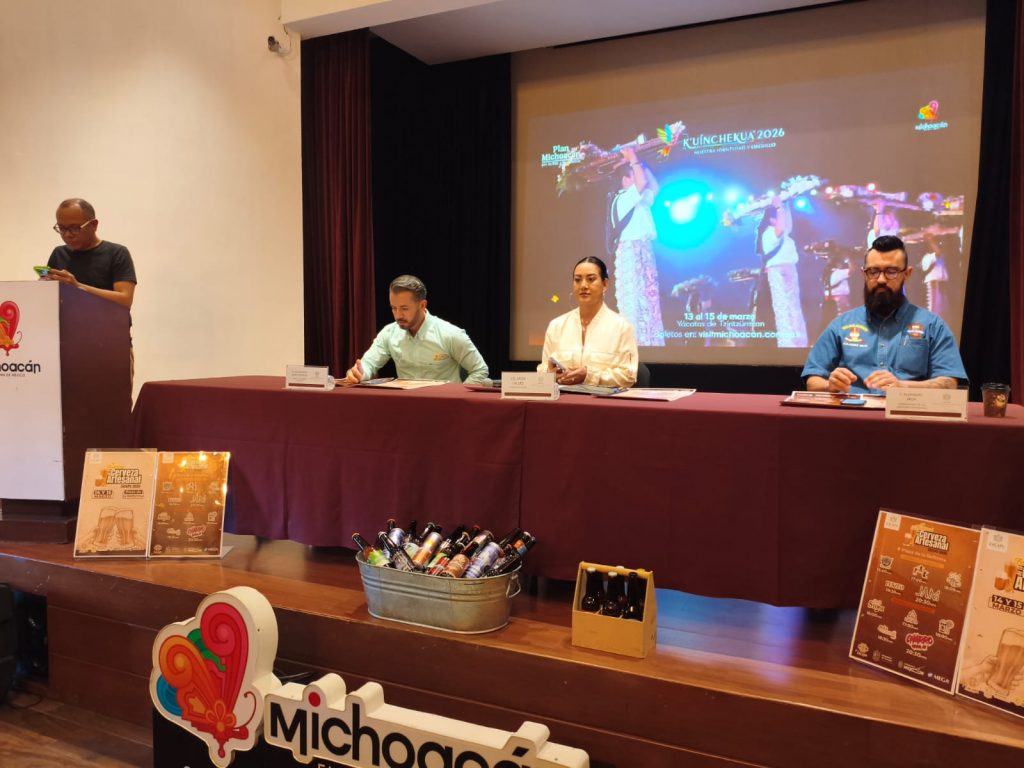
Rueda de prensa programa actividades de Noche de Muertos en Cuanajo

Guillermina Rangel Prudencio, coordinadora del evento, adelantó que se espera la llegada de alrededor de tres mil visitantes, lo que generará una derrama económica aproximada de 1.5 millones de pesos. Destacó que esta celebración no solo impulsa la economía local, sino que también refuerza el orgullo e identidad cultural de la comunidad de Pátzcuaro.

De acuerdo con los organizadores, las actividades iniciarán en los primeros minutos del 31 de octubre y continuarán a las 9:00 horas con la apertura del corredor gastronómico y artesanal. A las 17:00 horas se realizará la ceremonia de develación del caballo monumental, símbolo que busca convertirse en un nuevo atractivo de Cuanajo.

El 1 de noviembre, a las 18:00 horas, se efectuará la tradicional ofrenda dedicada a las ánimas de los adultos mayores, mientras que el 2 de noviembre las festividades cerrarán con el solemne toque de campanas a la medianoche.

Programa celebración Cuanajo

31 de octubre

Inicio: Espera de las ánimas de los angelitos, niñas y niños, y de los que no se casaron.

09:00 h: Apertura del corredor gastronómico y artesanal, con la participación de cocineras y artesanos de la comunidad de Cuanajo.

09:30 h: Concursos de altares, caballitos y adornos de jardines de la plaza. Participan instituciones educativas, grupos Sembrando Vida, rancherías y otros colectivos de la comunidad.

15:00 h: Premiación de los ganadores de los concursos.

17:00 h: Inauguración del Caballo Monumental.

19:00 h: Inicio del toque de campanas, a cargo de los campaneros.

Durante el día y la noche: Taller de caballitos, a cargo de guías locales, en la plaza.

1 de noviembre Día de Todos los Santos

10:00 h: Apertura del corredor gastronómico y artesanal, con la participación de cocineros y artesanos de la comunidad de Cuanajo.

18:00 h: Inicio de la ofrenda a las ánimas de las personas mayores y ya casadas.

19:00 h: Recorrido por las calles principales con la banda caribeña, a cargo de los campaneros.

Durante el día y la noche: Taller de caballitos, a cargo de guías locales, en la plaza.

2 de noviembre – Día de los Fieles Difuntos

Durante el día: Corredor gastronómico y artesanal, con la participación de los habitantes de la comunidad de Cuanajo.

12:00 h: Celebración eucarística en el Panteón de la Comunidad.

00:00 h: Cierre del toque de campanas.