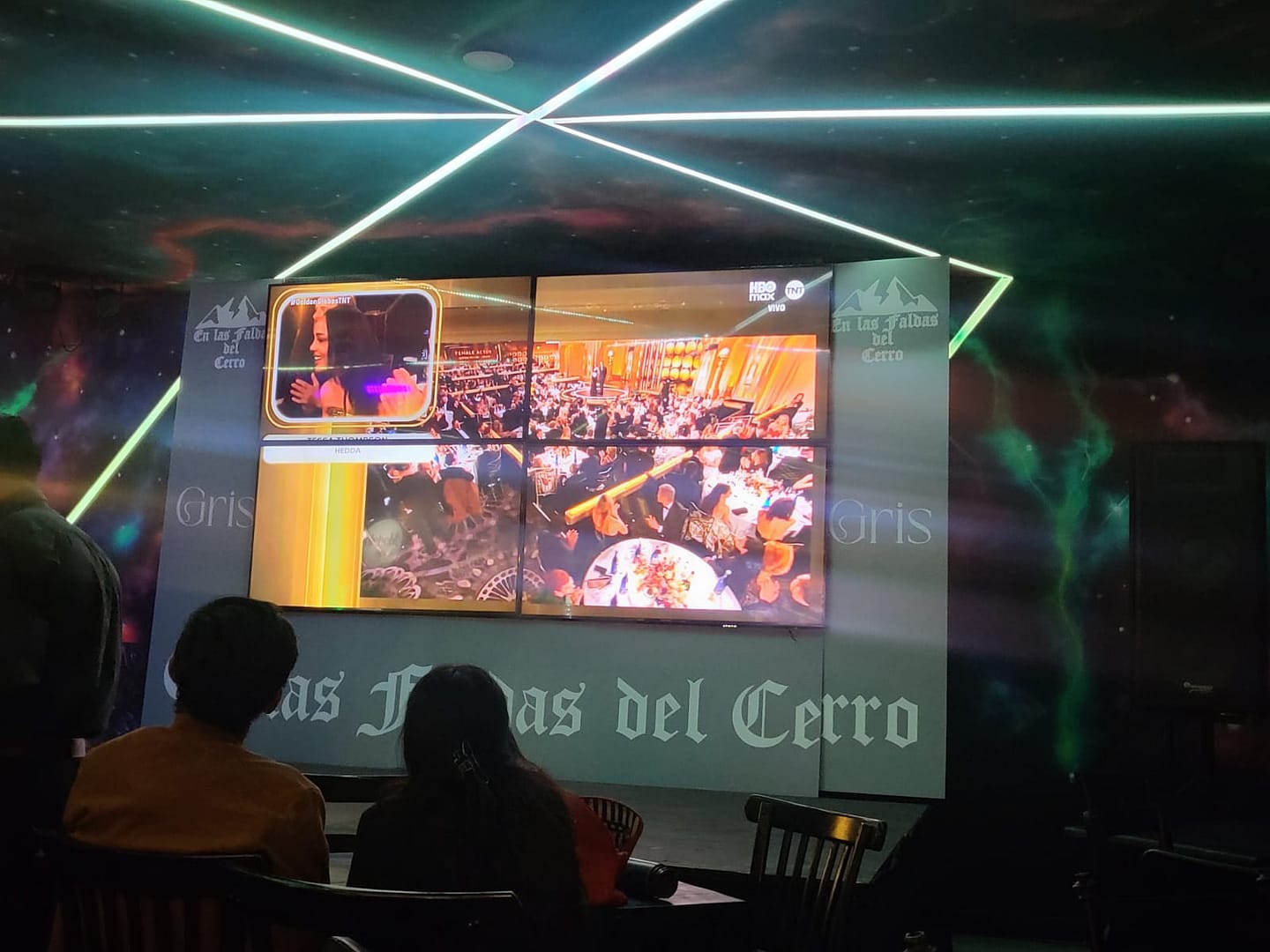
Muy al estilo de las premiaciones de cine; se lleva a cabo en Morelia un evento para que los cinéfilos de la ciudad pudieran ver la transmisión en vivo de la ceremonia de los premios al cine y la televisión “Globos de Oro”, en el bar Cosmos XO, que se encuentra en la avenida Ventura Puente.
El evento simuló la alfombra roja, por la que entraron todos los invitados al evento.
Premiación Globo de Oro
Los premios Globo de Oro son los galardones que la Asociación de Prensa Extranjera de Hollywood (HFPA, por sus siglas en inglés) otorga a los mejores trabajos cinematográficos y de televisión, que se lleva a cabo desde 1944.
Las grandes ganadoras de la noche fueron “Hamet” del director Steven Spilberg, como mejor película dramática, y “El agente secreto” a mejor película internacional del director Brasileño Kebler Mendonca, quién recientemente visitó la ciudad de Morelia para el Festival Internacional de Cine de Morelia. Otra categoría de la noche que premia la creatividad de los realizadores en su máxima expresión, es a mejor película animada; dicha categoría se la llevó la película Kpop Demon Hunters dirigida por Maggie Kang y Chris Appelhans.
Durante la transmisión algunos asistentes al evento tuvieron la oportunidad de ganarse algunos pósters de películas como: El gran mago de Oz, Bardo, Otro viernes de locos y El señor de los anillos animada.
También hubo algunas celebridades invitadas como Timothée Chalmet de la reciente película Marty Supreme del director Josh Safdie.
Otro invitado fué el actor Jacob Elordi quien recientemente interpretó a la criatura en la película de Guillermo del Toro “Frankenstein”.
Hubo también algunos fans del director mexicano Guillermo del Toro, quienes no dudaron en demostrar todo su apoyo al director, muy al estilo de la generación Z.
Rosa del Carmen Gutiérrez/Descubre Michoacán (Sayula Jalisco)
En un lugar del sur del estado de Jalisco, a una hora aproximadamente de la ciudad de Guadalajara y a 40 minutos de Colima; se encuentra el pueblo de Sayula, famoso por ver nacer al famoso escritor mexicano Juan Rulfo, autor de grandes obras literarias como “El llano en llamas” y “Pedro Parámo”. Sayula también es conocido por su famosa leyenda y poema picaresco “El ánima de Sayula”, escrito por el poeta Teofilo Peroza originario de Tingüindin Michoacán.
Juan Rulfo, historiador, fotógrafo y guionista de cine
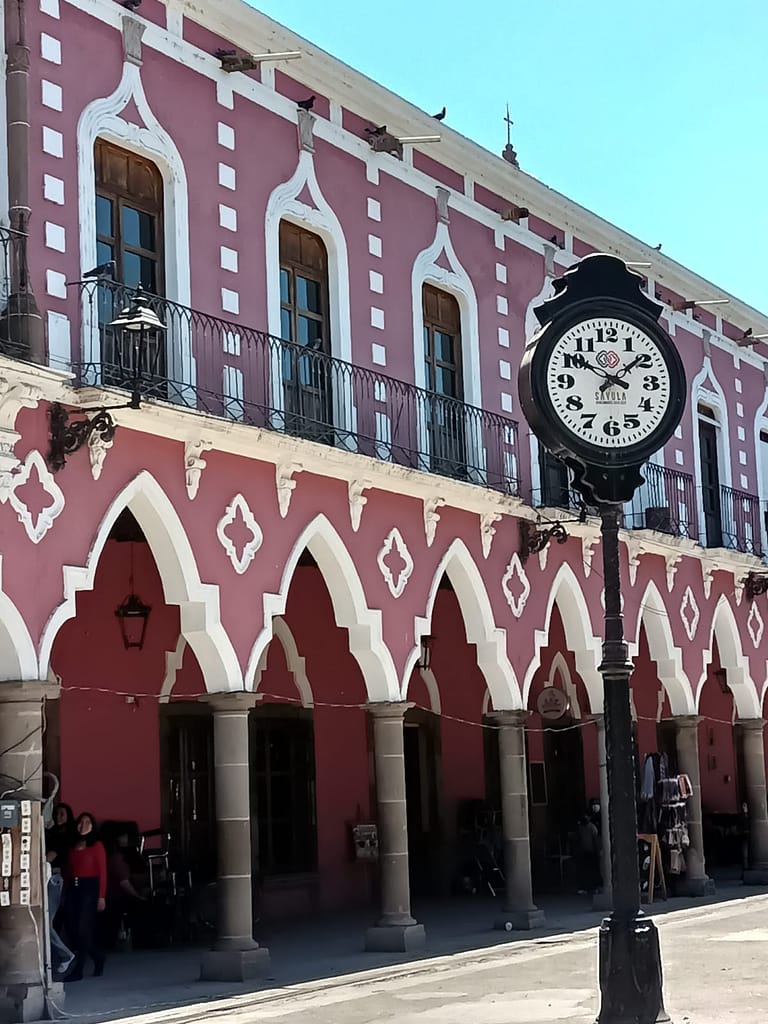
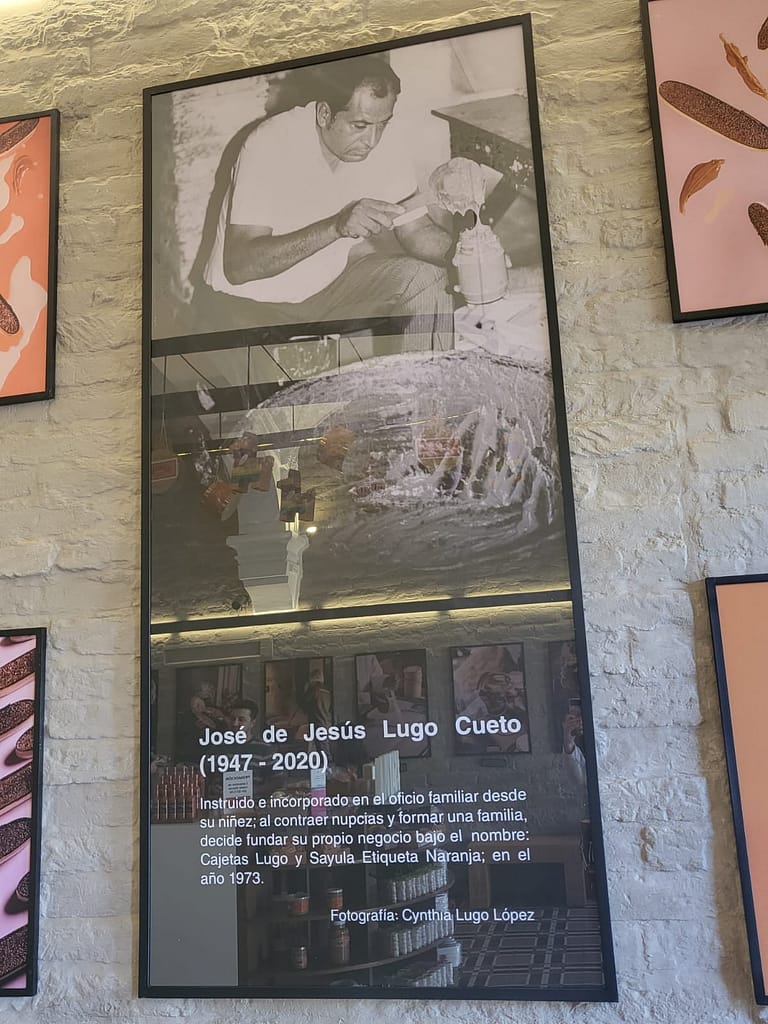
El pueblo de Sayula cuenta con un centro rodeado de portales con un diseño pintoresco y cálido. Estos te invitan a pasear entre sus locales comerciales o sentarte en una banca simplemente a disfrutar de la vista, y de paso, uno de sus dulces más tradicionales, las cajetas Lugo; empresa familiar que lleva 4 décadas elaborando el tradicional dulce de leche; que consiste en una cajeta horneada y con una superficie cristalizada con fuego, lo que le da presentación y un sabor muy especial al postre. En 2023, Sayula fue nombrado Pueblo Mágico por la Secretaría de Turismo, reconociendo su identidad, tradición y valor cultural.
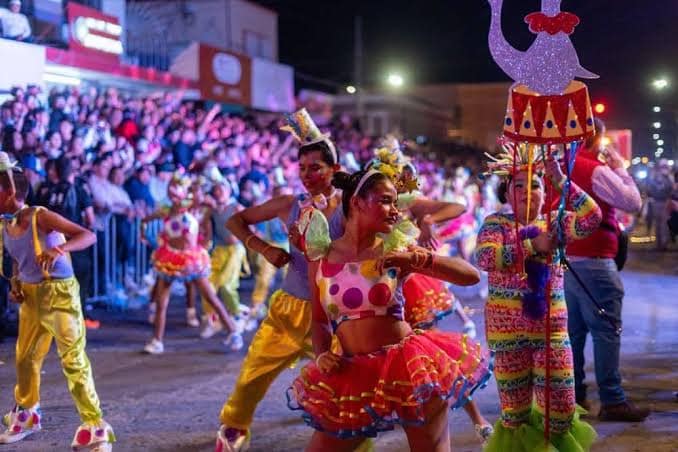
Sayula es también famoso por su fiesta de Carnaval, que se realiza año con año 40 días antes de la semana santa, pues esta fiesta culmina con el miércoles de ceniza y simboliza el fin de alegría para comenzar con el periodo de abstinencia de la cuaresma. Inicia un jueves con el entierro del mal humor, un ritual donde se lee el testamento del ánima de Sayula, para después quemarse en símbolo de dejar el mal humor a un lado y comenzar a disfrutar de la fiesta.
carnaval de sayula jalisco
¿Te gustaría un tour gratis por Guadalajara? Reserva ya tu lugar
Al siguiente día (viernes) se realiza un desfile de comparsas, que no es otra cosa que un desfile con carros alegóricos temáticos, música y grupos de gente bailando al unísono de canciones que animan a los asistentes a entrar en ambiente y sentir el ambiente festivo del momento; todo al puro estilo del carnaval de Río de Janeiro en Brasil. Los siguientes días podrás disfrutar de bailes, jaripeos, fiesta brava, conciertos, una feria con juegos mecánicos para los niños y antojitos tradicionales del lugar.
Portales del centro histórico de Sayula
Qué hacer en Sayula
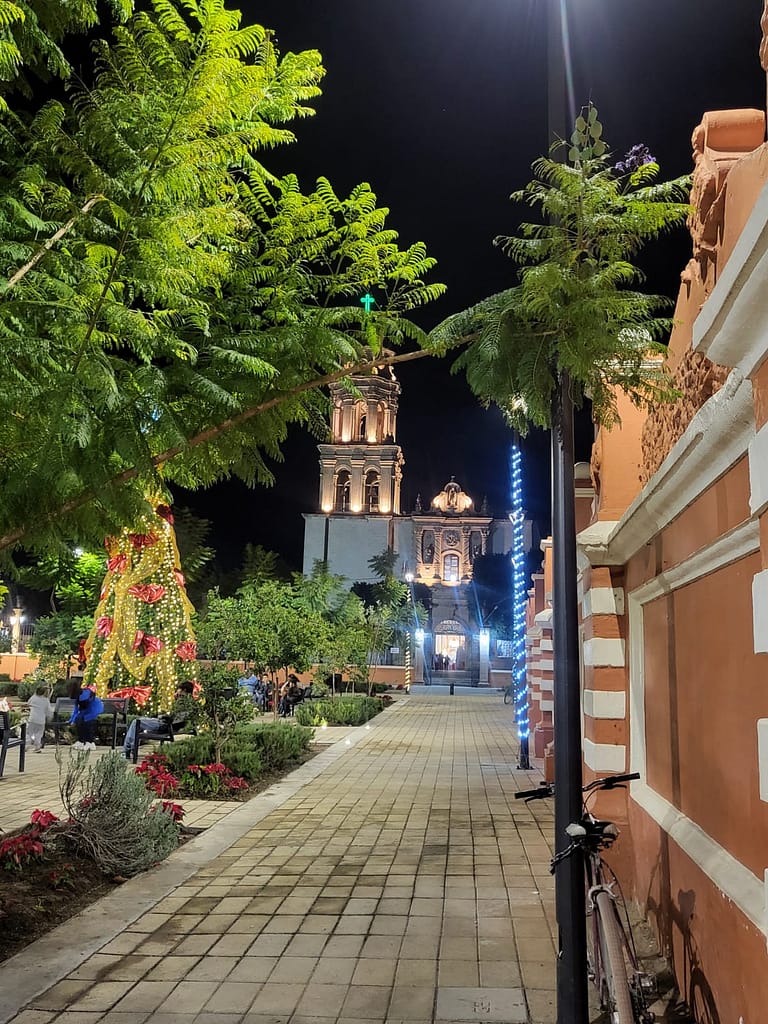
Portales del centro histórico
Recorrer los portales del centro es una de las experiencias más representativas de Sayula. Entre locales tradicionales y bancas que invitan a detenerse un momento, el paseo se complementa con antojitos típicos como las empanaditas dulces del Portal Galena, parte del ambiente cotidiano de la plaza principal.
portales en la noche
Casa de la Cultura Juan Rulfo
Este espacio cultural lleva el nombre del escritor mexicano Juan Rulfo, originario de Sayula. La Casa de la Cultura es sede de talleres, exposiciones y actividades artísticas, y alberga también el Museo de Antropología y el Museo de la Metalistería, donde se muestra parte del pasado cultural y artesanal de la región.
Museo de Arte Sacro
Ubicado en el Santuario de la Virgen de Guadalupe, este museo resguarda diversas piezas religiosas que reflejan la importancia histórica y espiritual que ha tenido Sayula a lo largo de los años.
Representación del Ánima de Sayula
Se trata de una de las tradiciones más emblemáticas del pueblo. La representación está basada en una serie de versos publicados entre 1895 y 1897, cuya autoría es desconocida, pero que forman parte de la identidad local. Es interpretada por habitantes de la comunidad en uno de los portales de la plaza principal.
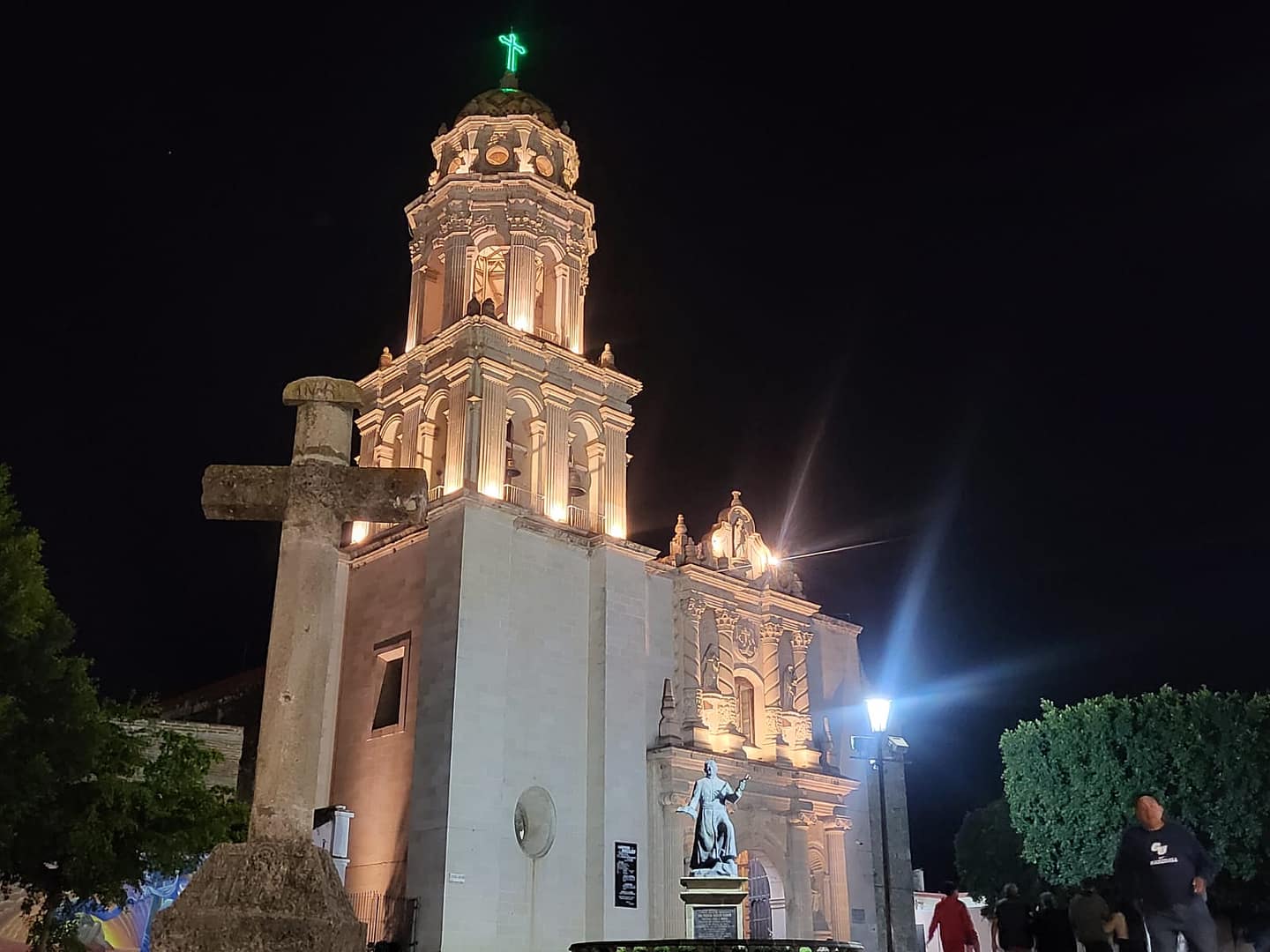
Templo de la Inmaculada Concepción
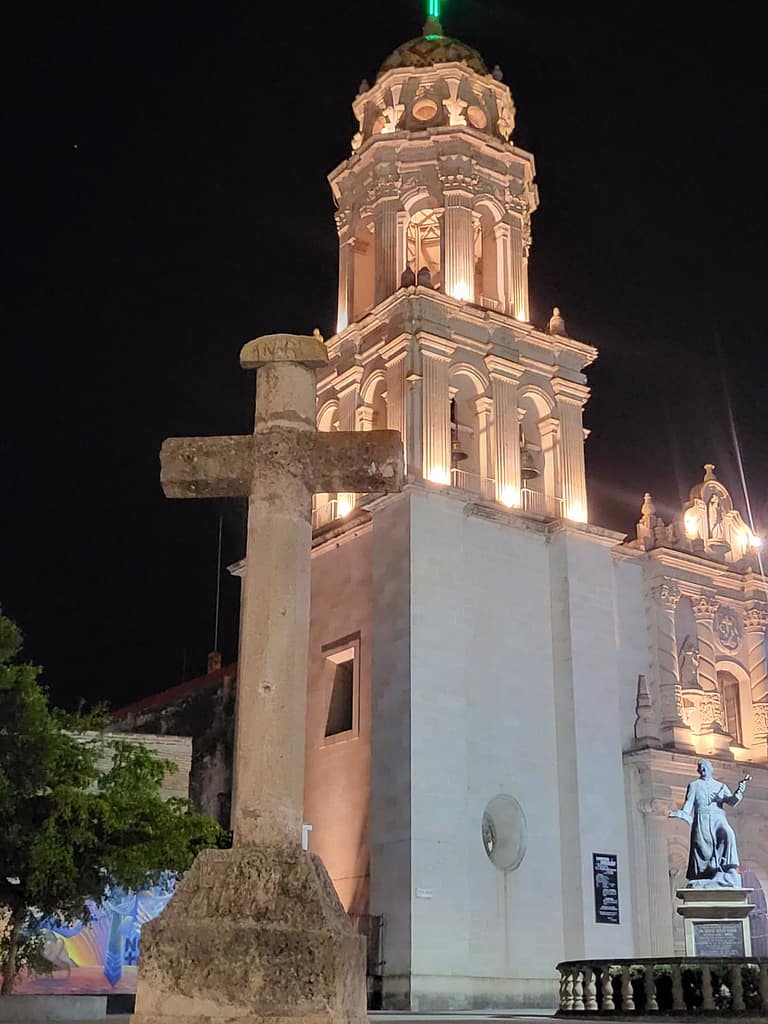
Construido en el siglo XVIII con cantera rosa, este templo destaca por su valor arquitectónico. En su interior se conserva arte sacro que representa la vida de distintos santos, mientras que en el exterior se encuentra una cruz con una inscripción fechada en 1578.
Templo de la Inmaculada Concepción
Cajetas Lugo
La tradición cajetera de Sayula se remonta a 1915, cuando Agustín Lugo retomó una receta familiar y comenzó a elaborar cajeta que vendía a los pasajeros del tren. Actualmente, esta cajeta horneada, con su característica superficie cristalizada, es uno de los sabores más representativos del pueblo y un atractivo imperdible.
Cuchillos Ojeda
Cuchillos Ojeda es un taller artesanal respaldado por una familia con 14 generaciones de herreros, herederos de una tradición local dedicada a la aleación del metal en cuchillas. Desde 1976 elaboran cuchillos y navajas artesanales de alta calidad, donde cada pieza lleva el sello del trabajo hecho a mano. Su catálogo abarca desde cuchillos de cocina hasta cuchillas especializadas para distintos usos, consolidándose como uno de los orgullos artesanales de Sayula.
Spa Terracota (Casa Sayula)
Ubicado dentro de Casa Sayula, este spa ofrece una experiencia de relajación total. El espacio se cierra de manera privada para cada huésped, lo que garantiza tranquilidad y atención personalizada durante la visita.
Si algún día te animas a visitar Sayula Jalisco para vivir sus fiestas, disfrutar de sus deliciosas cajetas Lugo o comprar un cuchillo del arte tradicional local; el pueblo cuenta con varias opciones de hospedaje para distintos presupuestos, entre estos se encuentra el
En el cruce del Acueducto y la avenida Francisco I. Madero se encuentra la Fuente de las Tarascas, uno de los símbolos más reconocibles de Morelia. Esta escultura en bronce, instalada en 1984, muestra a tres mujeres purépechas sosteniendo un platón lleno de frutos, evocando la riqueza agrícola y la identidad indígena del estado de Michoacán.
¿Quién creó la fuente de las tarascas?
La historia de la Fuente de las Tarascas combina arte, tradición y cambios urbanos que han marcado la ciudad a lo largo de los años. Los orígenes de la fuente La primera fuente fue construida en 1931, gracias a la iniciativa del presidente municipal Rafael Miguel Pedrajo. Fue diseñada por el artista Antonio Silva Díaz y esculpida por Benigno Lara, utilizando cemento y varillas de fierro importadas. Al principio carecía de nombre, y la población la llamó “Fuente de las Indias”. Con el tiempo, el nombre se transformó en “Fuente de las Tarascas”, en referencia al pueblo purépecha, por excelencia del territorio michoacano.
Durante sus primeros años, la imagen de las tres mujeres semidesnudas no fue del agrado de todos, pero con los años la fuente se consolidó como un ícono urbano. Permaneció en su lugar original durante más de tres décadas, hasta 1965.
Historia de la zona (tarascas)
El sitio donde se encuentra la fuente tiene gran relevancia histórica. Frente a uno de los extremos del Acueducto, la zona conecta con antiguas rutas coloniales, como la Calle Real —actual avenida Francisco I. Madero— que comunicaba la ciudad con haciendas y caminos hacia la ciudad de México. La plazuela cercana, hoy Jardín Villalongín, y la Capilla de Ánimas, fueron espacios emblemáticos que acompañaron la vida de la ciudad y enriquecieron el valor cultural del lugar donde se levanta la fuente.
Jardín de Villalongín
¿Dónde se encuentran las tarascas originales?
La escultura original de 1931 fue retirada en 1965 y trasladada al antiguo recinto ferial estatal. Con el tiempo, surgieron rumores que aseguraban que había sido enviada a otros países, pero la versión más sustentable y respaldada por documentos indica que las Tarascas originales permanecen en el recinto ferial, aunque la falta de registros completos durante el traslado ha alimentado historias y curiosidad sobre su paradero exacto.
La mejor hora para disfrutar de las Tarascas
La Fuente de las Tarascas es impresionante a cualquier hora del día. Al estar hecha sobre una base de cantera, su escultura de bronce se aprecia desde distintos ángulos, destacando sobre el entorno histórico y urbano que la rodea. Durante el día, los detalles de las figuras y el platón con frutos captan la luz natural, resaltando su belleza y convirtiéndola en un punto fotográfico obligado para visitantes y locales. Por la noche, la experiencia cambia por completo: la iluminación cuidadosamente diseñada transforma la fuente en un espectáculo visual elegante y cálido. La luz resalta tanto la escultura como el Acueducto cercano, creando un ambiente único que hace que la visita sea igualmente recomendable después del atardecer
¿Te gustaría conocer Janitzio? Reserva ya tu lugar 👇
Qué visitar alrededor de las Tarascas
La zona que rodea la Fuente de las Tarascas ofrece varios puntos de interés que se pueden recorrer a pie. A unos metros se encuentra el Callejón del Romance de Morelia, un espacio bohemio y pintoresco, ideal para pasear y disfrutar de cafés, restaurantes y bares con encanto. Frente a las Tarascas se extiende la Plaza Jardín Villalongín, una de las plazas más grandes de Morelia. Allí se puede admirar una fuente circular con una escultura central que representa a la diosa mitológica Flora. De aquí nace parte del Acueducto de Morelia, el cual se extiende por la ciudad. La Fuente de las Tarascas conecta con lo que es el corazón del turismo y la vida urbana de Morelia, con hoteles, restaurantes y servicios diversos a poca distancia, lo que permite a visitantes y locales disfrutar de una experiencia completa al recorrer este sector emblemático de la ciudad.
Acueducto de Morelia
Recorrido recomendado
Si quieres aprovechar al máximo tu visita, te recomendamos el recorrido del tranvía, que pasa por varios puntos emblemáticos del centro histórico de Morelia. Este paseo permite disfrutar de la Fuente de las Tarascas, el Callejón del Romance, la Plaza Jardín Villalongín y el Acueducto, combinando historia, cultura y experiencias urbanas en un solo trayecto.
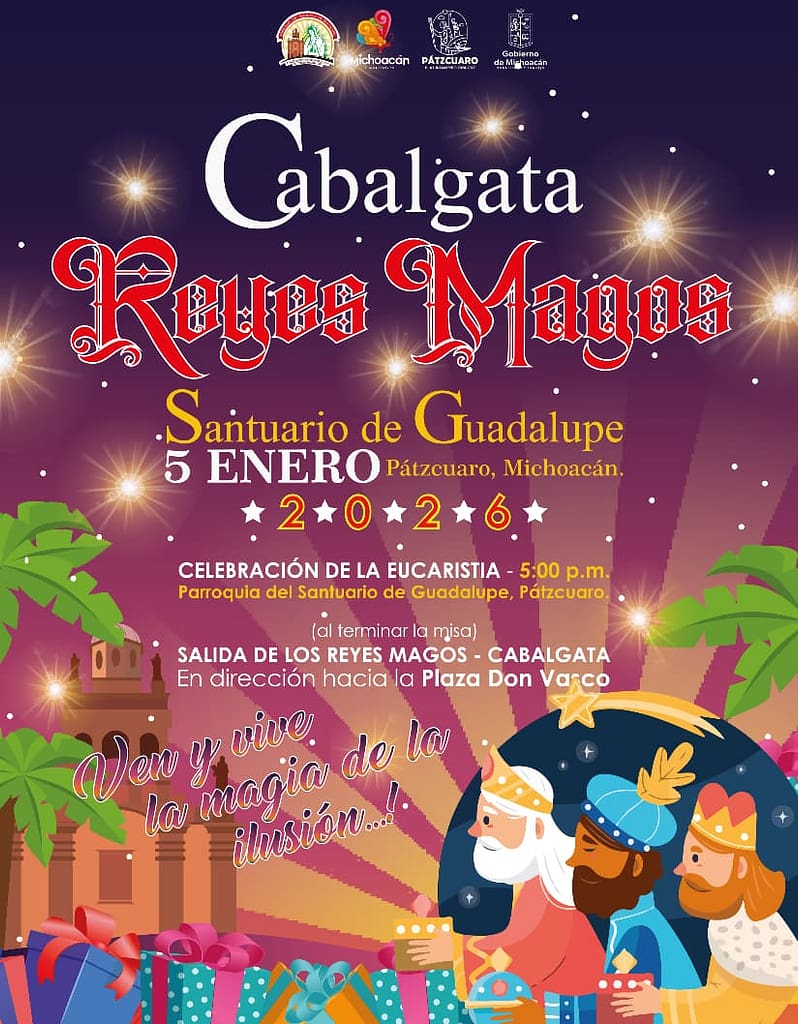
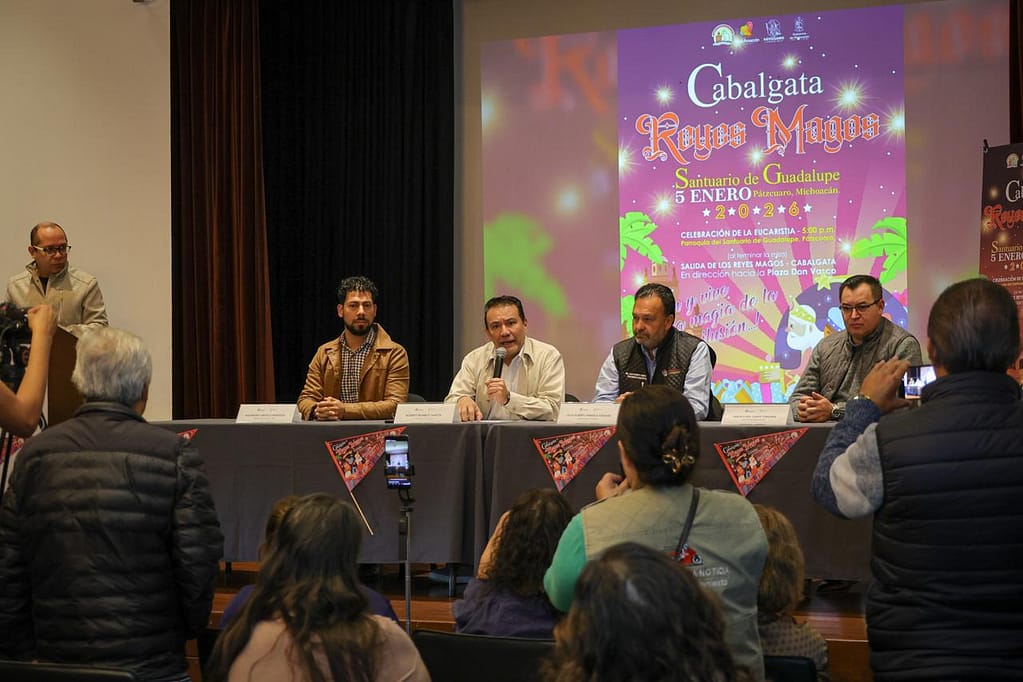
La Cabalgata de Reyes Magos en Pátzcuaro regresará este próximo 5 de enero para llenar de ilusión, alegría y tradición las calles del Pueblo Mágico, en un recorrido que dará inicio a partir de las 6:30 de la tarde, convirtiéndose en uno de los eventos familiares más esperados del inicio de año en Michoacán.
¿Qué hace tan especial esta cabalgata?
Durante una rueda de prensa, autoridades estatales y municipales informaron que se espera la asistencia de más de 30 mil personas, quienes se darán cita para presenciar el paso de Melchor, Gaspar y Baltazar, acompañados de un ambiente festivo que combina fe, tradición y convivencia familiar. El anuncio fue encabezado por Roberto Monroy, titular de turismo en el estado, junto al presidente municipal Julio Arreola, el cura presbítero del Santuario de Guadalupe, Jorge Vergara, y el regidor de Turismo y Cultura, Alejandro Orozco. La Cabalgata de Reyes Magos en Pátzcuaro no solo representa una tradición profundamente arraigada, sino también un evento que fortalece la identidad cultural del municipio y dinamiza la actividad turística en una de las temporadas más significativas del año.
Los Reyes Magos en Pátzcuaro
Con esta celebración, Pátzcuaro reafirma su lugar como uno de los destinos donde las tradiciones siguen vivas y se comparten de generación en generación. La Cabalgata de Reyes Magos en Pátzcuaro invita a locales y visitantes a ser parte de una noche llena de emoción, esperanza y espíritu familiar, en lo que muchos consideran una de las experiencias más entrañables del calendario festivo michoacano.
Visitar Pátzcuaro es una experiencia que vale la pena cualquier día del año. Su centro histórico, la Plaza Vasco de Quiroga, sus tradiciones, artesanías y colorido especial invitan a recorrerlo con calma. Puedes reservar tu tour o actividades guiadas para conocer a fondo su historia y su riqueza cultural.
Por Ramón MéndezEstrada. Pátzcuaro es uno de los destinos más emblemáticos de Michoacán gracias a su historia, arquitectura y riqueza cultural. En esta guía te mostramos los lugares para visitar en Pátzcuaro, comenzando por aquello que hace única a esta ciudad: su arquitectura y sus espacios emblemáticos.
Mucho de su belleza debe Pátzcuaro a su arquitectura tradicional, dispuesta armónicamente en calles, plazas y edificaciones diversas, propicias para la convivencia humana, el disfrute de la vida y el servicio a la comunidad. Es una delicia transitar por sus calles empedradas que flanquean a un lado y otro las casas de muros de adobe y piedra…
¿Listo para descubrir Pátzcuaro?
Plaza Grande (Plaza Vasco de Quiroga)
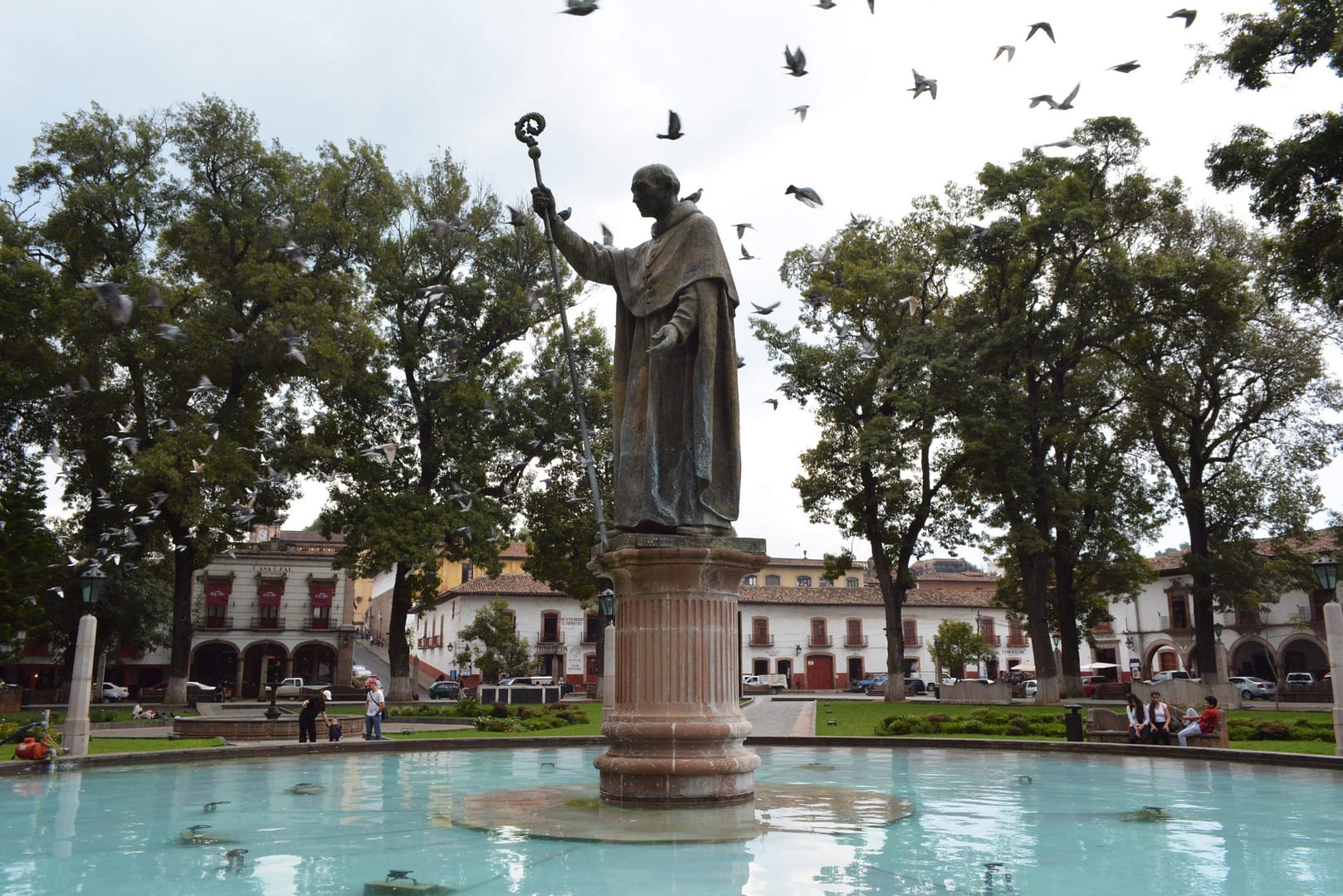
La Plaza Grande lleva el nombre de Vasco de Quiroga, fundador colonial de la ciudad, cuya estatua se levanta en la fuente central. Es el corazón urbano y cultural de Pátzcuaro. A su alrededor se encuentran edificios históricos como la Casa del Gigante, construcción del siglo XVII ubicada en el costado oeste, y el Palacio de Huitziméngari, antigua residencia de Antonio Huitziméngari, hijo del último gobernante purépecha, que hoy funciona como mercado de artesanías. Los portales que rodean la plaza completan el marco ideal de este espacio abierto.
Plaza Vasco de Quiroga
¿Quieres visitar Janitzio?
Plaza Chica (Plaza Gertrudis Bocanegra)
A dos calles al norte se localiza la Plaza Chica, oficialmente llamada Plaza Gertrudis Bocanegra, en honor a la heroína insurgente fusilada durante la Guerra de Independencia. En su centro se encuentra su efigie, y alrededor destacan el mercado tradicional y diversos edificios con portales.
¿Te gustaría saber una curiosidad?
En una de las esquinas de esta plaza se encuentra la Pila del Torito, protagonista de una insólita historia: tras la muerte accidental de un jinete que perseguía a un toro, la fuente fue sometida a un proceso judicial y “condenada” a ser trasladada y encadenada.
Ex Templo de San Agustín
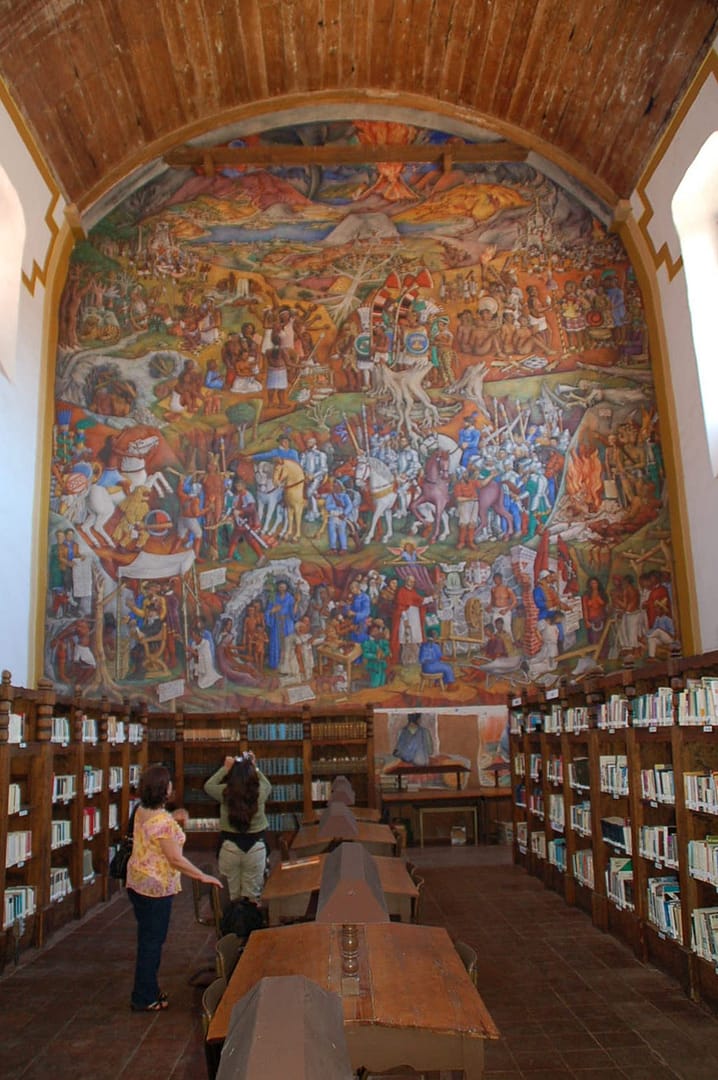
En el costado norte de la Plaza Gertrudis Bocanegra se ubica el ex Templo de San Agustín, actualmente en funciones de biblioteca pública. En su interior puede apreciarse un mural de Juan O’Gorman que narra la historia de Michoacán desde la época prehispánica hasta la Independencia.
Biblioteca Publica del Pátzcuaro
El actual Teatro Emperador Caltzontzin
A un costado se levanta el Teatro Emperador Caltzontzin, escenario de importantes eventos culturales y de las ceremonias cívicas más solemnes de la ciudad.
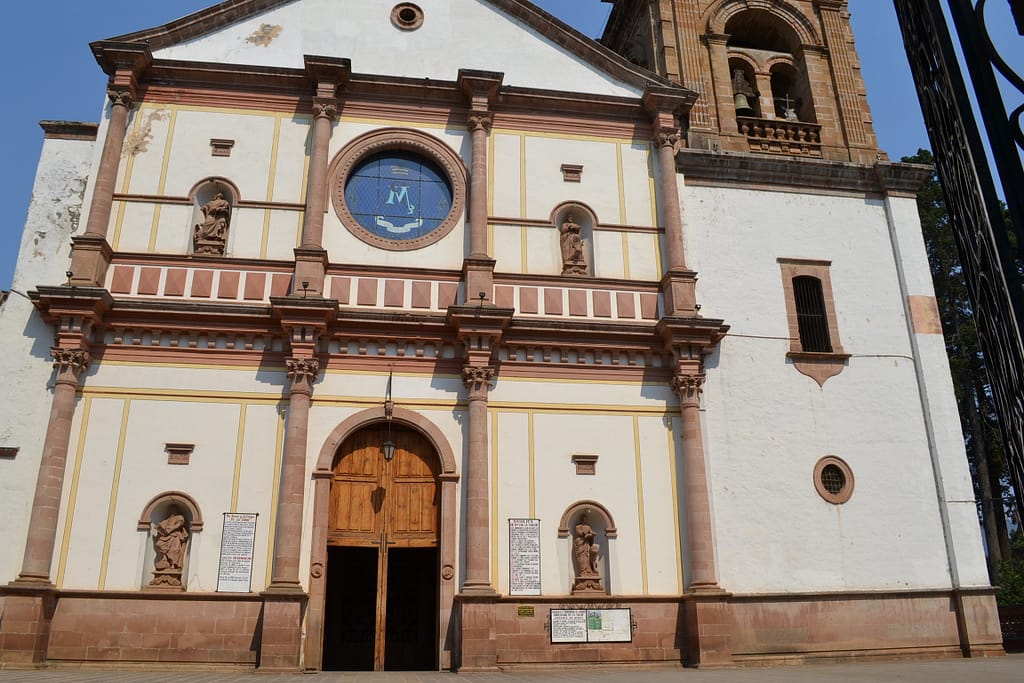
Basílica de Nuestra Señora de la Salud
Subiendo por una calle empedrada hacia el oriente se llega a la Basílica de Nuestra Señora de la Salud, edificada por orden de Vasco de Quiroga sobre antiguas estructuras prehispánicas. Designada catedral en 1924, en su interior reposan los restos de su fundador. La imagen venerada fue elaborada en 1540 por artesanos del lugar y rápidamente ganó fama por las curaciones milagrosas atribuidas a ella. En 1737 fue declarada patrona de Pátzcuaro y coronada solemnemente en 1899.
Templo de Nuestra Señora de la Salud.
Templo y Ex Convento de la Compañía de Jesús
Al sur de la Basílica se localiza el templo y ex convento de la Compañía de Jesús, hoy convertido en centro cultural. En sus salas se exhiben exposiciones temporales, además de una colección permanente de máscaras y juguetes tradicionales de distintas regiones del país. En la torre del templo se encuentra un reloj, regalo de una provincia española, protagonista de una singular leyenda: la ejecución de un reo condenado a muerte no se llevó a cabo porque el reloj no marcó la hora indicada.
Templo y Ex Convento de la Compañía de Jesús en Pátzcuaro
El Sagrario
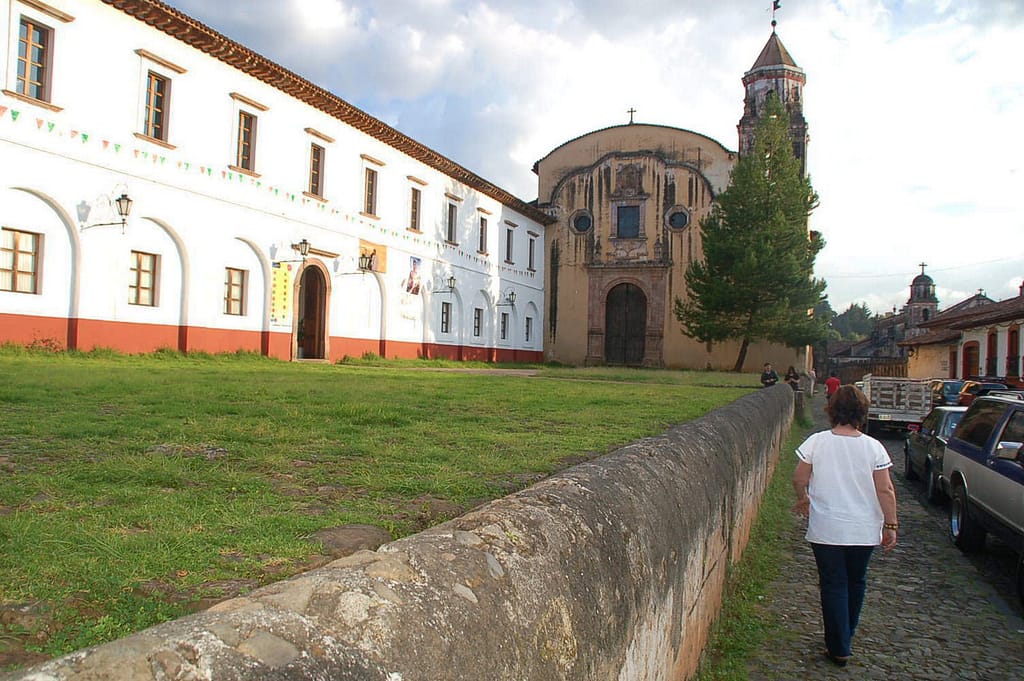
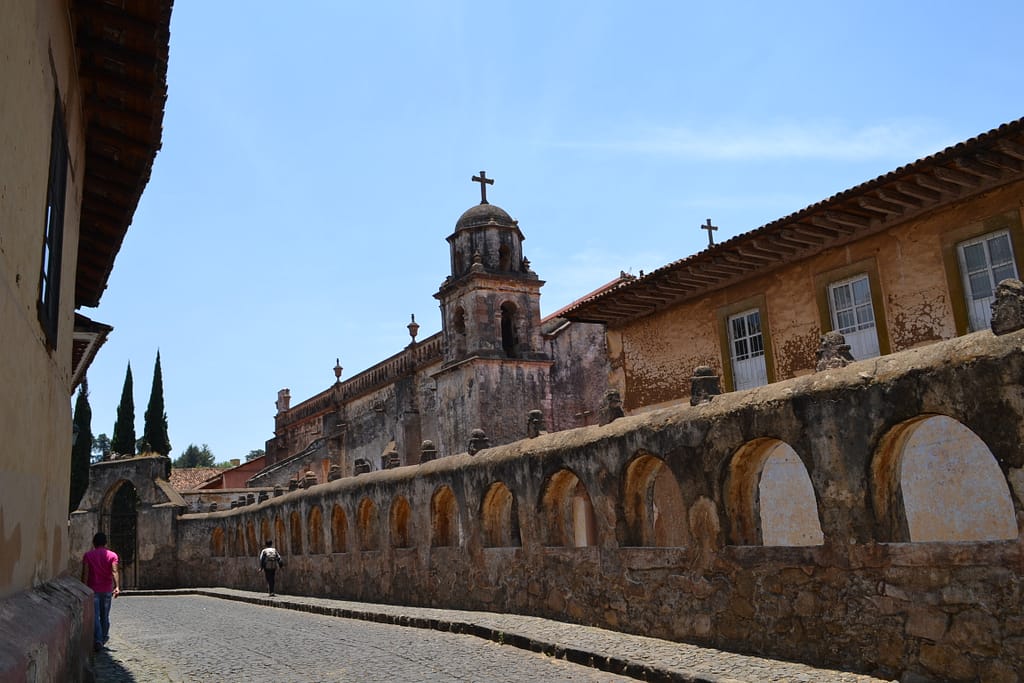
Frente al templo jesuita se encuentra El Sagrario, edificio que resguardó a la Virgen de la Salud hasta su traslado a la Basílica a principios del siglo XX. Destaca por su arquitectura y por sus característicos arcos almenados.
El templo del Sagrario en uno de los lugares más buscados a las hora de visitar Pátzcuaro.
Casa de los Once Patios
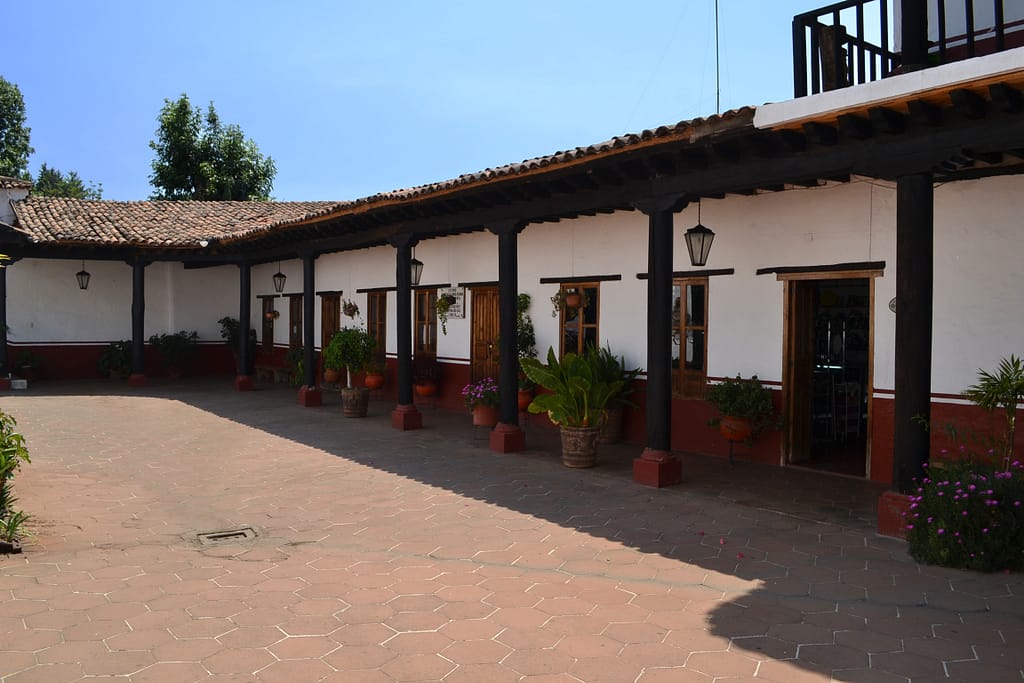
A unos pasos se extiende la Casa de los Once Patios, antiguo convento de monjas agustinas y hoy uno de los principales centros de exhibición y venta de artesanías, uno de los lugares para visitar en Pátzcuaro. En sus patios se pueden encontrar piezas de alfarería, textiles, rebozos, lacas, cobre, juguetes y otros trabajos donde se fusionan técnicas prehispánicas y coloniales.
Cerro del Estribo Grande
En los alrededores de la ciudad, el Cerro del Estribo Grande ofrece una de las mejores vistas panorámicas de Pátzcuaro y su lago, convirtiéndose en una excelente opción para completar el recorrido por la zona
¿Qué hacer en Pátzcuaro en un día?
Si solo dispones de un día para recorrer Pátzcuaro, además de visitar los principales espacios históricos, te recomendamos pasar por las galerías y talleres de artesanía donde se elaboran máscaras, juguetes, tejidos y piezas de alfarería de gran calidad. La Casa de los Once Patios es un imprescindible, con sus patios llenos de color y creatividad local. Y, por supuesto, no olvides probar la famosa pasta de nieve, que encontrarás en varios locales de los portales del centro, atendidos por sus dueños con décadas de historia familiar.
Qué hacer en Pátzcuaro de noche
Recorrer Pátzcuaro por la noche es una experiencia especial, sobre todo para admirar la iluminación de sus plazas y la tranquilidad de sus calles empedradas. Sin embargo, hay que ser sinceros: en el centro histórico, las actividades nocturnas no son muy abundantes y la mayoría de los lugares cierran temprano. Si buscas un poco más de diversión, algún bar o café para estar hasta tarde, tendrás que salir del centro histórico. Aun así, pasear por sus plazas y disfrutar de la calma nocturna sigue siendo un plan encantador y recomendable.
Hoteles Pátzcuaro
Tras descubrir los lugares para visitar en Pátzcuaro, puedes elegir entre varios alojamientos que combinan confort y estilo colonial:
Hotel Portón del Cielo (5 estrellas)
Vistas espectaculares Restaurante y bar Habitaciones con chimenea Ideal para descansar después de recorrer la ciudad (reservar)
Hotel Los Escudos (4 estrellas)
Estilo colonial y terrazas Habitaciones con baño privado y algunas con balcón Wi-Fi en todo el alojamiento Recepción 24 horas (reservar)
Combinación de estilo colonial y colores vibrantes Detalles de artesanía local Jardín, terraza y bar Wi-Fi y servicios completos para una estancia cómoda (reservar)
La Tradicional Competencia de la Danza de los Kúrpites ya tiene fecha confirmada para su edición 2026. El evento se llevará a cabo el 8 de enero en la Plaza Principal de Nuevo San Juan Parangaricutiro, municipio de Michoacán reconocido por su fuerte identidad purépecha y la preservación de sus tradiciones comunitarias.
La competencia se desarrolla como parte de las festividades tradicionales que se celebran en el mes de enero y que forman uno de los momentos culturales más importantes para la comunidad. Durante el evento, cuadrillas de danzantes participan en la plaza principal ante la mirada de pobladores, visitantes, investigadores y fotógrafos que acuden para presenciar una de las expresiones culturales más representativas de Michoacán.
Autoridades estatales adelantaron que en los próximos meses se darán a conocer más detalles relacionados con la organización, horarios y actividades que acompañarán la competencia.
Danza de los Kúrpites
Aprovecha tu visita y conoce los tours al volcán Paricutín y Angahuan, con información de reserva y costos
¿De qué se trata la Danza?
La Danza de los Kúrpites es una manifestación cultural propia del pueblo purépecha, practicada de manera destacada en Nuevo San Juan Parangaricutiro. El término kúrpites proviene del idioma purépecha y se traduce comúnmente como “los que se reúnen”, en referencia a los grupos de danzantes que participan colectivamente en esta celebración.
La Competencia de los Kúrpites
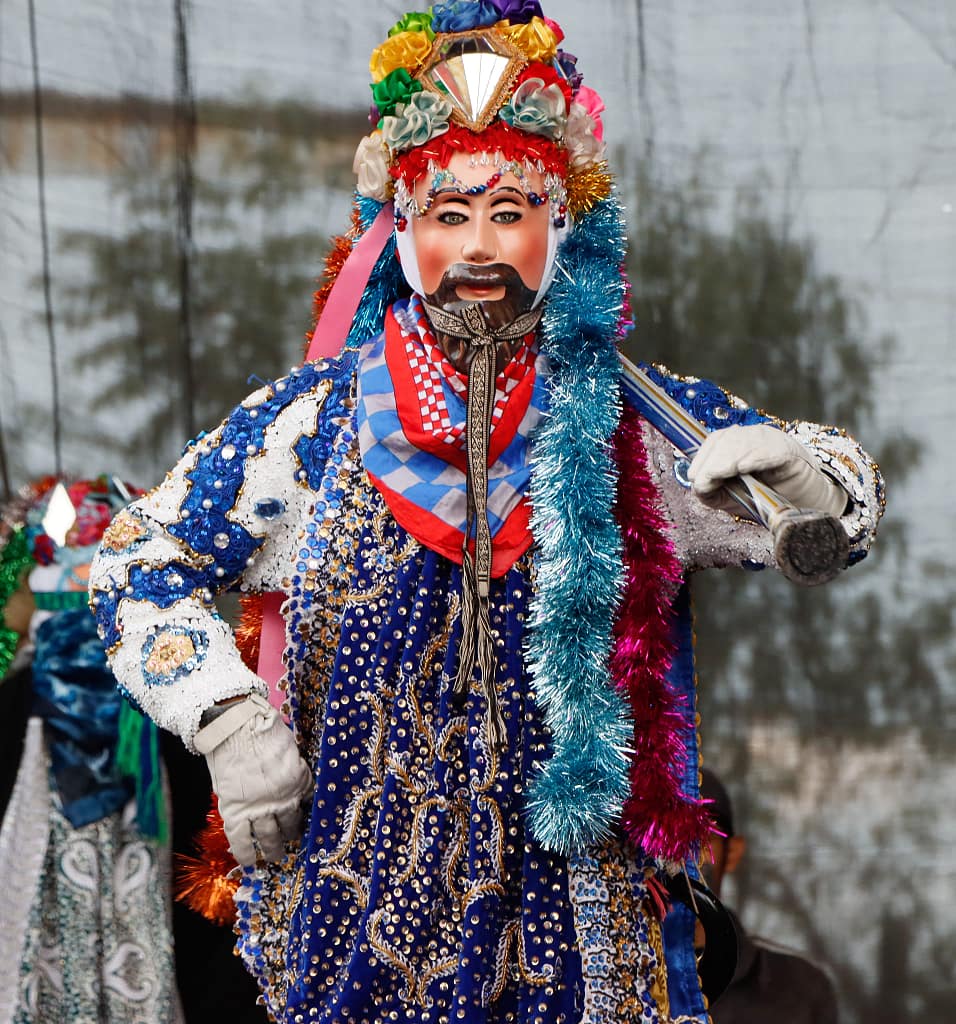
La competencia enfrenta tradicionalmente a dos cuadrillas pertenecientes a distintos barrios de la comunidad, principalmente los barrios de San Miguel y San Mateo. Cada grupo se presenta con música tradicional, vestimenta característica y una coreografía que, aunque puede parecer sobria o contenida en movimientos, exige precisión, coordinación, resistencia y dominio del ritmo.
Danza de los Kúrpites
A diferencia de otras danzas con pasos amplios o saltos, la evaluación en la competencia de los Kúrpites se centra en aspectos como:
La sincronía del grupo
El estilo y la elegancia en la ejecución
La uniformidad y presentación del vestuario
La resistencia física, ya que las ejecuciones pueden extenderse durante largos periodos
Significado y valor cultural de la celebración
Más allá del carácter competitivo, la Danza de los Kúrpites tiene un objetivo cultural y comunitario. Se trata de una tradición que refuerza la identidad colectiva, el orgullo por las raíces purépechas y la continuidad de prácticas heredadas de generación en generación.
La celebración está vinculada a las festividades religiosas y comunitarias del mes de enero, en especial a las fechas cercanas al Día de Reyes, y cumple una función de agradecimiento, convivencia y cohesión social dentro de la comunidad.
Cada edición representa un esfuerzo colectivo que involucra no solo a los danzantes, sino también a familias enteras, músicos, artesanos y organizadores, quienes contribuyen a mantener viva una de las expresiones culturales más reconocidas de Michoacán.
Por su importancia cultural, la Danza de los Kúrpites ha sido objeto de difusión y preservación institucional, y es considerada un referente del patrimonio cultural vivo del estado.